Understanding Game Rules, Symbols, and Bonus Features in Slot Games
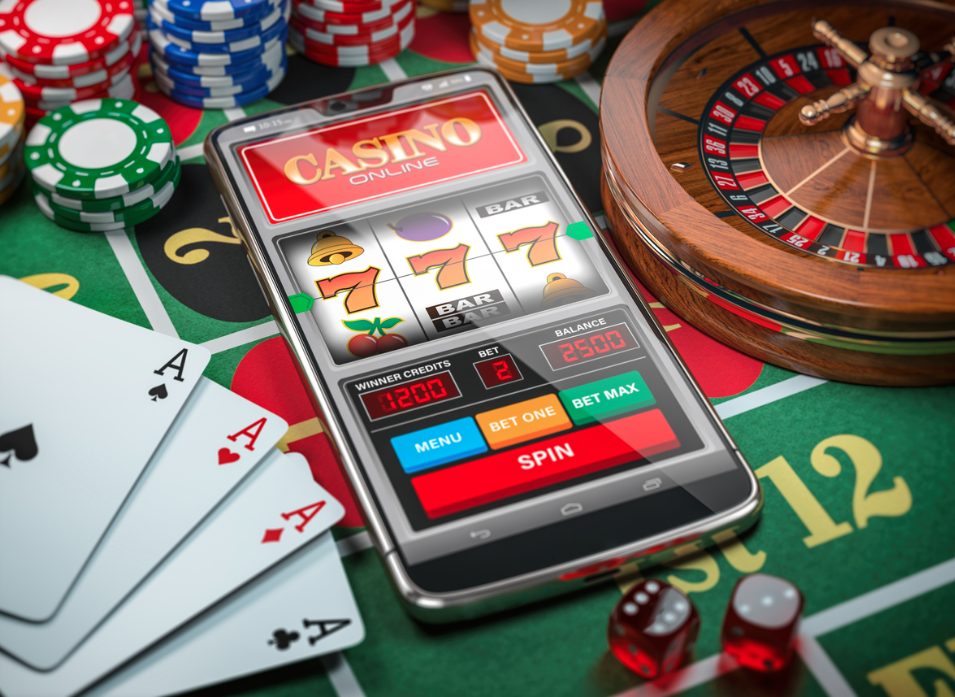
Digital gaming has developed into a diverse entertainment category, offering interactive experiences through computers, smartphones, and tablets. Among the available options, Online Slots attract attention because of their straightforward controls, colorful graphics, different themes, and additional gameplay features. Although these games may appear simple at first, understanding their rules, symbols, and bonus mechanics can help users become more familiar with how they work. Learning the basic structure also makes it easier to recognize the differences between individual games.
Understanding the Basic Game Rules
Slot games generally operate through a system of reels, symbols, and predefined winning combinations. A typical game displays several reels containing different images or icons. Players select the available settings and initiate a spin, after which the reels stop and display a combination of symbols.
The outcome is determined according to the game’s rules and payout structure. Some games use traditional paylines, while others feature alternative systems that allow multiple symbol combinations.
Before starting a game, users should review its instructions. These usually explain the available features, minimum and maximum settings, special symbols, and conditions associated with different outcomes.
Different Types of Slot Symbols
Symbols are essential components of slot gameplay because they determine how combinations are formed. Each game may introduce its own collection of symbols based on its theme and mechanics.
Common symbol categories include:
- Standard Symbols: These are the regular images displayed across the reels and contribute to ordinary combinations.
- Wild Symbols: These can substitute for certain other symbols to help complete qualifying combinations.
- Scatter Symbols: These may activate special features when a required number appears.
- Bonus Symbols: These are associated with additional gameplay rounds or interactive features.
- Multiplier Symbols: These may increase qualifying payouts according to the game’s rules.
Understanding these categories makes it easier to recognize why certain symbols have different functions during gameplay.
How Paylines and Winning Combinations Work
Paylines are predefined patterns used to identify qualifying symbol combinations. In traditional slot games, these patterns may run horizontally, vertically, or diagonally across the reels.
When matching symbols appear in the required positions, they may create a winning combination. The value of the combination depends on the game’s payout table and the settings selected.
Some modern games use ways-to-win systems instead of traditional paylines. These systems recognize matching symbols across adjacent reels without requiring them to follow a specific line.
Players should always examine the payout information because different games can have significantly different combination rules.
Exploring Bonus Features
Bonus features introduce additional variety into slot gameplay. They can change the appearance of the reels, provide special rounds, or create opportunities for different types of combinations.
Some commonly available features include:
Free Spins
Free spins allow qualifying players to receive additional spins under specific conditions. These rounds may include special rules or modified features.
Bonus Rounds
Bonus rounds are separate gameplay sections that may involve selecting objects, revealing hidden symbols, or completing simple interactive activities.
Multipliers
Multiplier features increase eligible payouts by a specified factor. Their application depends on the individual game’s rules.
Expanding Wilds
Some games include wild symbols that expand across part or all of a reel, potentially helping create additional combinations.
Not every game contains these features, and their availability should never be interpreted as a guarantee of winning.
Understanding Random Number Generation
Most digital slot games use random number generation technology to determine individual outcomes. This means that each spin is independent and previous results do not guarantee what will happen next.
Animations, sound effects, and visual sequences improve presentation but do not predict future results. Understanding randomness helps users maintain realistic expectations while exploring digital gaming entertainment.
Why Reading the Paytable Matters
The paytable provides essential information about a game’s structure. It explains symbol values, qualifying combinations, bonus conditions, and other relevant mechanics.
Reviewing this information before playing can prevent misunderstandings. It also allows users to compare different game formats and understand how their features operate.
Practicing Responsible Gaming
Slot games involve chance and should only be approached as entertainment. Users should follow applicable age restrictions, understand local regulations, and establish clear limits on spending and playing time.
It is important to avoid chasing losses or treating gambling as a source of regular income. Taking breaks and maintaining control over participation supports healthier entertainment habits.
Conclusion
Understanding slot game rules, symbols, paylines, and bonus features provides a clearer picture of how digital slot games operate. Each game may offer different mechanics and visual experiences, making it important to review its instructions before participating. By understanding random outcomes and maintaining responsible gaming habits, users can approach digital gaming with greater awareness and realistic expectations.